23–24 January 2027 · Veliky Novgorod
ЗИМНИЕ ВЫХОДНЫЕ ВЕЛОКРОССА · 3ВВ
Два дня ТИПАЦИКЛОКРОССА: Cyclocross, Gravel, Fixed gear, МТБ и беговой кросс. Один день или оба.
23–24 January 2027 · Veliky Novgorod
Два дня ТИПАЦИКЛОКРОССА: Cyclocross, Gravel, Fixed gear, МТБ и беговой кросс. Один день или оба.
19 June 2027 · Batetsky
Tsar Grader 202725 October — 7 November 2026 · XCnews
INOCROSSApril 10-11, 2027 · Veliky Novgorod
Spring Cyclocross WeekendFrom 22 November 2026 · Saint Petersburg and the Leningrad Region
WINTER CUP XCNEWS499 ₽ / month · Для гонщиков
FATRACING PREMIUMОт 2 999 ₽ / month · For business
FATRACING PROFor the first cyclocross, you need a clear check-in, a serviceable approved bike and time to get to know the track. The task of the first day is to complete the race in a controlled manner: to know difficult places, understand the signals of the judges and keep the opportunity to get home safely.
Do not look for answers only in last year's post. Save the position of the current issue and the schedule of your arrival. If the category description allows two interpretations, specify them before registering. General documents are analyzed in a separate guide; it also needs to be compared with the requirements of the organizer.
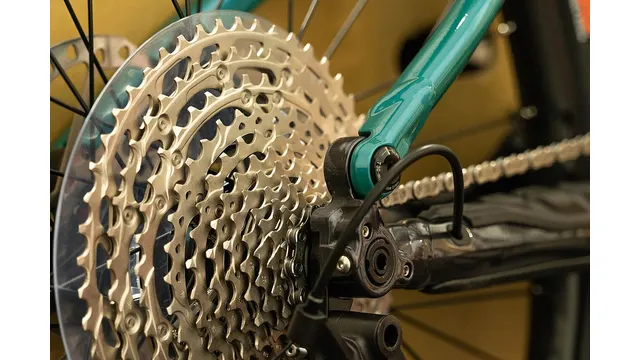
Inspect the wheels, brakes, steering, pedals and transmission. After removing the wheel, check its fixation and braking. The old malfunction rarely disappears in the starting zone, and the unverified adjustment made on the last evening adds to the uncertainty.
Divide things into three packages: go, serve, change clothes. To check in, you need a helmet, shoes, suitable clothes and a room. For maintenance — a pump with a pressure gauge, a compatible repair kit and the necessary tools. For the finish — dry clothes, shoes and a place for dirty things. Add documents, phone number and what you personally need for the road. Someone else's list with a spare bike does not have to become your first start budget.
Go out on the circle only in the permitted window. Dedicate the first pass to the route: where the tape turns, where the trajectories converge, which sections you need to walk, how to get into the starting corridor. A complex element can first be viewed from a safe place, skipping the traveling participants.
On the next pass, select simple repeatable solutions. Where to brake before turning? Where to switch in advance? In which section is it better to dismount without waiting for a stop? It is not necessary to choose the line of the fastest rider: you may have different tires and skill. It is more important not to be in front of a familiar obstacle without a plan.
After exploration, check the bike: dirt can get into the gaps, the pressure may not be suitable. Leave time for correction, then return to the place of construction. The idea of a study circle and preparation before the start is described in The HHYCC memo for beginners; get the local schedule from your organizer.
Take your assigned seat and listen to the briefing. If you are not sure about the fastening or the first meters on the ground, train them separately before the race day. At the start, the task is to confidently move off and see the road, and not to win back all positions before the first narrowing.
When overtaking, keep a predictable trajectory. Do not jump sharply to the side when you hear a voice from behind: first evaluate the site. If you catch up yourself, do not consider the scream a promise of a free corridor. In a bottleneck, it may be necessary to wait for a safe opportunity. After the fall, first release the trajectory, if possible, then evaluate yourself and the bike.
Follow the signals of the judges, even if the cycling computer turned out to be less than the planned minutes or kilometers. Do not add a circle yourself for the sake of a beautiful record. After the finish, clear the corridor and do not cross the moving stream, returning for things.
Change clothes, inspect the bike and check the protocol. Compare yourself with the participants in your standings; the lag in circles is not equal to the stopwatch error. For analysis, write down three observations: which section was obtained, where time was lost, and what should have been prepared differently. So the second start will give an understandable task instead of a list of random purchases.
Take a look our cyclocross and Calendar. If you don't know the format yet, start with explanations of the race device.
Upcoming races and useful sections of FATRACING.
Instagram belongs to Meta Platforms Inc., whose activities are recognized as extremist and banned on the territory of the Russian Federation.