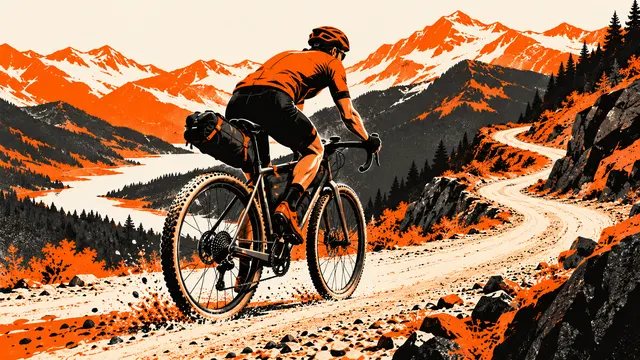
23–24 January 2027 · Veliky Novgorod
ЗИМНИЕ ВЫХОДНЫЕ ВЕЛОКРОССА · 3ВВ
Два дня ТИПАЦИКЛОКРОССА: Cyclocross, Gravel, Fixed gear, МТБ и беговой кросс. Один день или оба.
23–24 January 2027 · Veliky Novgorod
Два дня ТИПАЦИКЛОКРОССА: Cyclocross, Gravel, Fixed gear, МТБ и беговой кросс. Один день или оба.
19 June 2027 · Batetsky
Tsar Grader 202725 October — 7 November 2026 · XCnews
INOCROSSApril 10-11, 2027 · Veliky Novgorod
Spring Cyclocross WeekendFrom 22 November 2026 · Saint Petersburg and the Leningrad Region
WINTER CUP XCNEWS499 ₽ / month · Для гонщиков
FATRACING PREMIUMОт 2 999 ₽ / month · For business
FATRACING PROAn inexpensive frame does not guarantee an inexpensive complete bike. Wheels, drivetrain, cockpit, shipping and labour change the total, while a forgotten small part can stop the build. Before ordering anything, prepare a compatibility sheet and a complete parts list. This is a purchasing plan, not a universal carbon or hydraulic-brake assembly manual.
Define your routes, required tyre width, luggage and preferred riding position. Compare the frame with a bike that fits you using stack and reach. The same size label across brands does not establish matching geometry.
For a first build, show the chosen frame to the workshop that will assemble it before ordering. Ask whether they will work on it, what labour includes and which documents the warranty requires. Keep the price of a comparable complete bike next to the budget as an alternative.
Support each entry with a manual or written manufacturer confirmation. “BSA” or “T47” without dimensions does not finish the bottom bracket check. Park Toolexplains identification, but use the selected component manufacturers for final approvals.
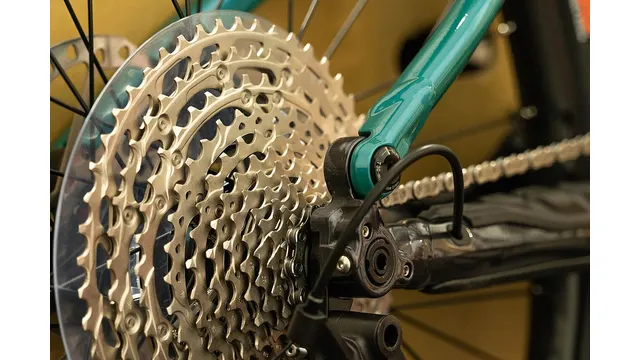
Select the drivetrain as a system: shifters, brakes, derailleurs, cassette, chain, crankset and bottom bracket. Check exact part numbers, generation, speed count and permitted combinations, not just the series name. For wheels, match axles, freehub, rotors, rims and tyres.
List the saddle, seatpost, handlebar, stem, tape and pedals separately. Confirm what the frameset includes: headset, axles, hanger and proprietary spacers may be supplied or sold separately. A seller's “groupset” listing does not guarantee rotors, a bottom bracket or hoses of sufficient length.
Keep a separate line for consumables and hardware: brake adapters and approved bolt lengths, suitable olives and inserts, cables and housing for mechanical systems, end caps, tubeless tape and valves, plus batteries and chargers for electronics. Match rotor attachment: Center Lock and six-bolt need the corresponding hub.
Discuss the assembly order for internal routing with your mechanic in advance. A stem change may involve hose work. Do not cut the steerer or hoses before checking fit and routing: returning the wrong size becomes harder after irreversible modification.
The figures below are invented to demonstrate a budget structure. They are not shop prices or an offer to build a bike for this amount.
The total is RUB 165,000. Adding the 10% contingency chosen for this example gives RUB 181,500. That is not a universal contingency recommendation: list the actual risks of your order. Add taxes, duties and fees where applicable, checking whether they are already included in delivery.
Keep invoices, manuals and the list of installed parts. Use our compatibility checklistfor an initial review. If a complete bike that fits costs less and needs no changes, a custom build does not have to be the economical choice: its value may be the specific configuration.
Upcoming races and useful sections of FATRACING.
Instagram belongs to Meta Platforms Inc., whose activities are recognized as extremist and banned on the territory of the Russian Federation.